Michigan law calls drunk driving OWI – operating while intoxicated (MCL 257.625). Most people still call it DUI, and we use both names because the charge is the same fight: the state says you drove impaired, and everything from your license to your record to your freedom is on the table.
Michigan DUI Center has defended drunk driving cases in Michigan courts since 1993. Not everyone charged with drunk driving is guilty – and some are guilty of a lesser offense than the one on the ticket. Our job is to find which situation you are in and act on it.
Charges we defend
- OWI (first offense) – up to 93 days in jail, fines up to $500, up to 360 hours of community service, 6 points, and a 30-day license suspension followed by 150 days restricted.
- High BAC (“super drunk”) – a BAC of .17 or higher roughly doubles everything: up to 180 days in jail, fines up to $700, a 45-day hard suspension, then 320 days restricted with an ignition interlock.
- OWVI (impaired driving) – the lesser charge, and often the right outcome to fight for.
- Second offense OWI – mandatory jail on the table, longer revocation, vehicle consequences.
- Third offense / felony DUI – a felony with prison exposure. These cases demand the most work and the earliest start.
- OWI causing injury or death – the most serious charges in this area of law.
- Companion charges – open container, resisting and opposing, fleeing and eluding, and the other counts that get stacked onto a DUI stop.
- Implied consent refusals – refusing the chemical test is a separate case with a 14-day deadline to request a hearing or lose your license for a year.
How we approach a DUI case
Every case starts with the evidence, not the charge: the reason for the stop, the field sobriety tests, the breath or blood test and how it was run (MCL 257.625a controls how those results come into evidence), and the video. Stops get suppressed, tests get thrown out, and charges get reduced – but only when someone looks closely enough to find the problems. That is the work.
What happens to your license
The criminal case and the license case are two separate fights. The court handles the charge; the Secretary of State handles your license, on its own schedule and its own rules. If you refused the chemical test, you have 14 days from the arrest to request an implied consent hearing – miss it and the one-year suspension starts automatically.
If your license is already gone after multiple convictions, that is a different fight: see driver’s license restoration.
Where we defend
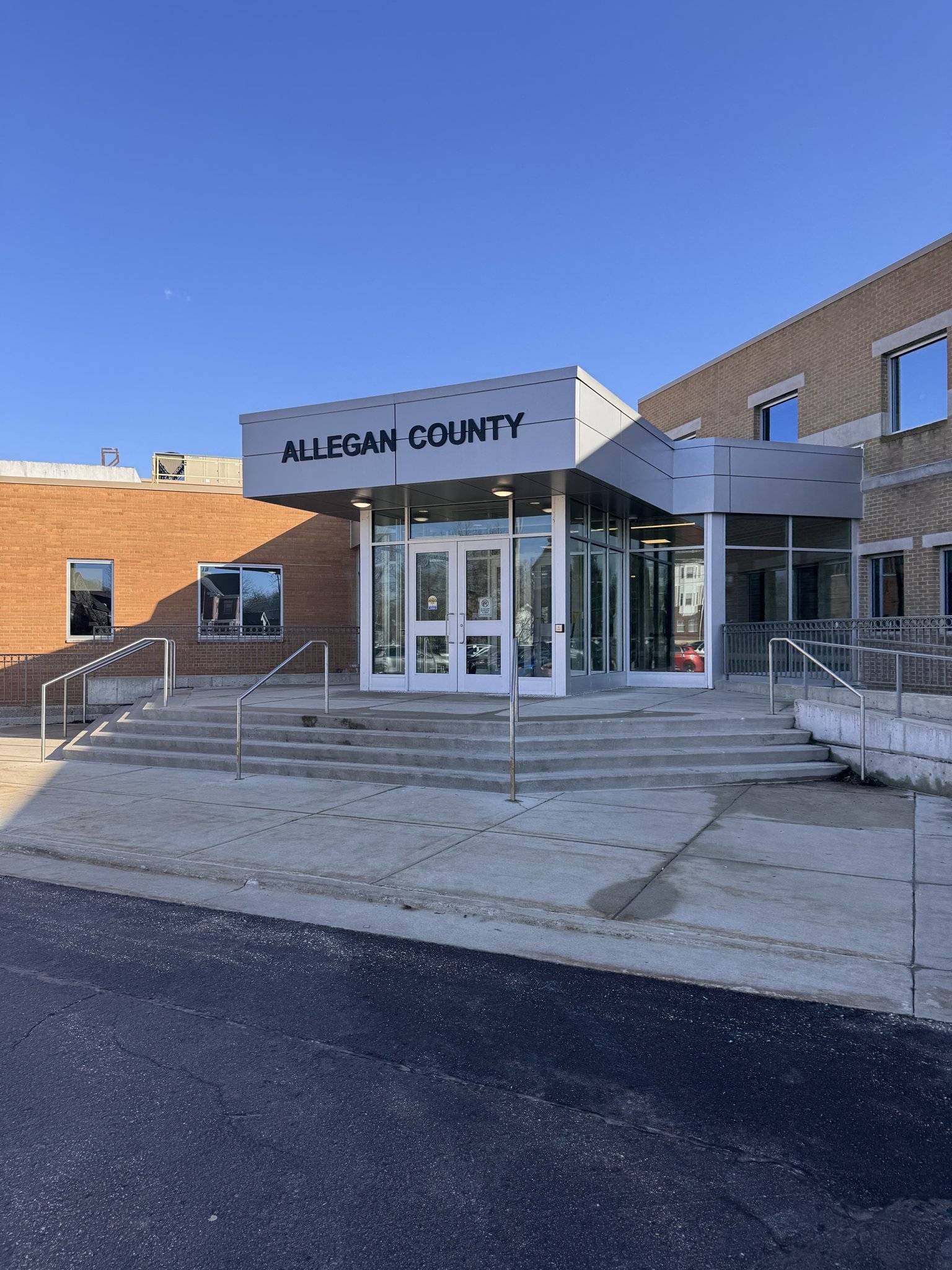
Any Michigan court. We are based in Grand Rapids and know the West Michigan courts cold – see our Grand Rapids DUI page for how a case moves through the 61st District Court and Kent County – and we appear statewide.
Tell us what is going on
Name, email, number, and one sentence. We will call you back.
